


Creating immersive worlds or designing the rules that make games engaging? Game Art and Game Design are two central disciplines within game development, offering different creative and technical career opportunities. But what is the difference, and which direction is right for you?
Behind every video game is a team of people with different skills. Some create the environments, objects and visual details that bring a game world to life. Others design the mechanics, rules and systems that determine how players interact with it.
Although these disciplines are closely connected, they involve different approaches to creativity, technology and problem-solving.
Understanding the difference between Game Art and Game Design can help you discover where your interests lie and which career path you want to pursue in the games industry.
Game Art: Creating worlds players want to explore
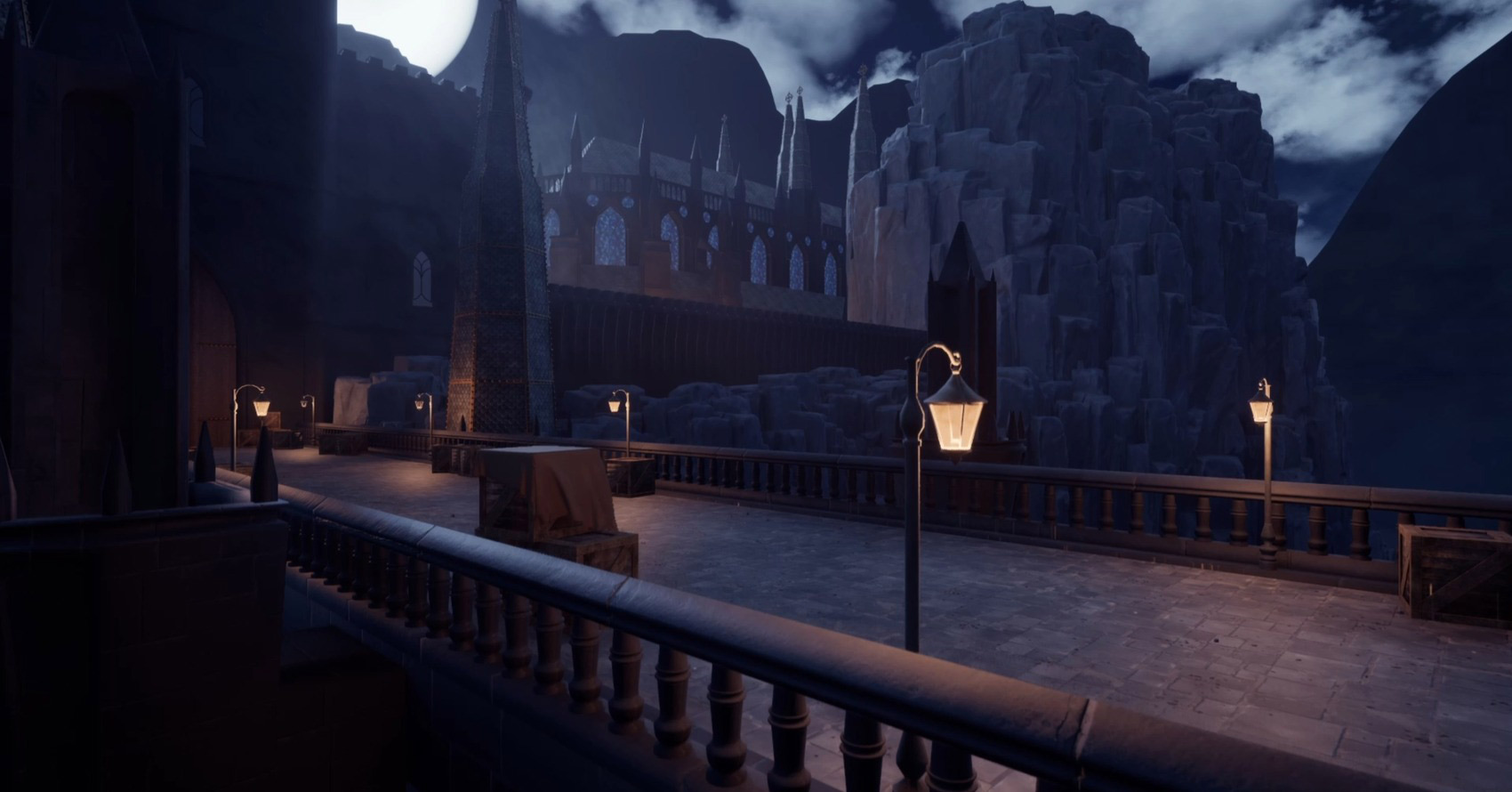
Imagine entering an abandoned city in a video game. The buildings, weathered surfaces, lighting and surrounding landscape all contribute to how you experience the world. These visual elements are carefully designed to create a particular atmosphere and tell a story.
Game Art encompasses several disciplines, including environment art, character art and visual effects. Environment artists specialise in creating the spaces players explore, combining artistic skills with technical knowledge to build immersive and believable game worlds.
Their work involves much more than making environments visually appealing. They must consider how players navigate a space, how visual elements communicate information and how their creations perform within a game engine.
Within environment art, you can work with areas such as:
- 3D modelling and the creation of game-ready assets
- Environment and level design
- Lighting, textures and materials
- Visual storytelling and atmosphere
- Procedural generation of game environments
If you enjoy creating visual experiences, experimenting with colour and composition, or bringing imaginary worlds to life, environment art could be a direction worth exploring.
Game Design: Creating the rules of play
What makes a game enjoyable, challenging or rewarding? Why does one game encourage exploration, while another encourages players to develop strategies or solve complex problems?
While game artists help shape the visual identity of a game, game designers focus on how the game works and how players experience it through interaction.
Game Systems Design is a discipline within Game Design that focuses specifically on the mechanics, rules and interconnected systems that shape gameplay.
A systems designer might develop a progression system, design how resources are managed, create interactive features or determine how a game responds to the decisions made by its players.
The work combines creativity with logical thinking, technical understanding and experimentation. Designers develop prototypes, test their ideas and refine systems based on how they function in practice.
Within Game Systems Design, you can work with areas such as:
- Gameplay mechanics and interactive systems
- Programming and prototyping
- Player progression and game balancing
- Behavioural systems and procedural content
- Gameplay testing and player experience
If you are curious about why games work the way they do, enjoy solving problems or find yourself thinking about how existing game mechanics could be improved, Game Systems Design could be a natural fit.
Different skills, one shared goal
Game artists and game designers rarely work in isolation. Creating a successful game requires collaboration between people with different areas of expertise.
Imagine a team developing an adventure game in which players explore a mysterious island.
An environment artist might create the island's landscape, abandoned buildings, vegetation and atmospheric lighting. Their work helps establish the visual identity of the world and encourages players to explore it.
A systems designer might develop the exploration mechanics, determine how players collect resources and design the systems that unlock new areas as the game progresses.
Both contribute to the same player experience, but from different perspectives.
The environment artist considers how the world communicates visually, while the systems designer considers how players interact with it and how the underlying rules shape their experience.
Understanding both disciplines can therefore be valuable, regardless of which area you ultimately choose to specialise in.
What career opportunities are available?
The games industry brings together a wide range of creative and technical professions. Your career opportunities will depend on your specialisation, practical skills, experience and the portfolio you develop.
For those interested in creating game environments and visual experiences, relevant roles include:
- Environment Artist: Creates the landscapes, buildings and surroundings that make up a game world.
- 3D Artist: Develops three-dimensional models and assets for use in games.
- Lighting Artist: Uses lighting to establish atmosphere, guide attention and enhance visual storytelling.
- Texture and Material Artist: Creates the surfaces and materials that give digital objects their visual qualities.
- Level Designer: Shapes the spaces players move through, balancing navigation, exploration and gameplay.
For those interested in gameplay mechanics and interactive systems, relevant roles include:
- Systems Designer: Develops the rules and interconnected mechanics that determine how a game functions.
- Encounter and Quest Designer: Designs objectives, challenges and interactive experiences for players.
- Level Designer: Develops playable spaces that support the intended gameplay experience.
- Combat Designer: Designs and balances combat mechanics within games.
- QA Tester: Tests games to identify errors, inconsistencies and issues affecting the player experience.
Some roles, such as Level Designer, involve elements of both disciplines. This reflects how closely creative and technical skills are connected throughout game development.
Do you need to be good at drawing or programming?
A common misconception about studying game development is that you need to be an experienced artist or programmer before you begin.
While an interest in visual design is valuable for aspiring game artists, environment art also involves technical skills, problem-solving and learning how to use digital production tools.
Similarly, Game Systems Design involves programming, but it is also about creativity, logical thinking and understanding how people interact with games.
You do not need to have mastered these skills before deciding to pursue an education. Developing them is part of the learning process.
What matters is your willingness to experiment, learn new tools, solve problems and develop your ideas through practical work.
Explore both disciplines before choosing your specialisation
At Noroff University College, the bachelor's degree in Game Development is designed to give students a foundation in both the creative and technical aspects of developing games.
The first year is common to all students and covers subjects including Game Assets Design, Interaction Design, Narrative Design, Game Coding, Ludic Studies and Game Animation.
This gives students the opportunity to explore different aspects of game development before deciding which discipline they want to specialise in.
From the second year, students choose between two specialisations:
Environment Art for Games
This pathway focuses on designing and creating immersive game environments. Students develop skills in creating game-ready assets, environment design, level design, procedural techniques and advanced production.
Game Systems Design
This pathway focuses on designing, programming and testing interactive gameplay systems. Students explore object-oriented design, procedural content, software structures, behavioural systems and game balancing.
Throughout the three-year programme, students develop practical skills and build a portfolio that reflects their chosen area of expertise.
In the final year, students respond to a client brief and complete a bachelor project, applying the knowledge and skills they have developed throughout their education.
Which career path is right for you?
Think about what captures your attention when you play a game.
Do you find yourself exploring environments, admiring architectural details or noticing how lighting and colours influence the atmosphere? Or are you more interested in how the mechanics work, how challenges are balanced and why certain gameplay experiences feel rewarding?
If you are drawn to the visual and spatial aspects of games, Environment Art for Games may suit your interests. If you enjoy understanding, designing and developing interactive mechanics, Game Systems Design may be the direction for you.
However, you do not necessarily need to have the answer before you begin your education.
By exploring both disciplines during your first year, you can discover your strengths, develop new interests and make a more informed decision about your future career.
Would you like to turn your interest in games into creative and technical expertise? Read more about the bachelor's degree in Game Development at Noroff and explore your specialisation options.
Related studies

Bachelor
Interactive Media - Animation
This programme will equip you with the skills to design and animate 3D characters, an increasingly important skill in the entertainment and creative industries, opening the door to a wide range of exciting career opportunities.
Online
Read more
Bachelor
Game Development
This programme builds essential game development skills, providing a solid foundation in both the creative and technical aspects of the field.
Online
Read more